Showing posts with label bedbug reaction. Show all posts

Monday, December 9, 2013

Basic Bed Bug Facts

Basic Bed Bug Facts


Bed bugs (picture on the left) likely get their name from their habit of feeding on humans while they sleep in their beds. They are found in virtually every place people tend to gather, including residences, hotels, schools, offices, retail stores and even public transportation. 
If you do identify bed bugs in your home,contact a pest professional promptly. They will be able to inspect your home, confirm the species and recommend a course of bed bug treatment.


Habits

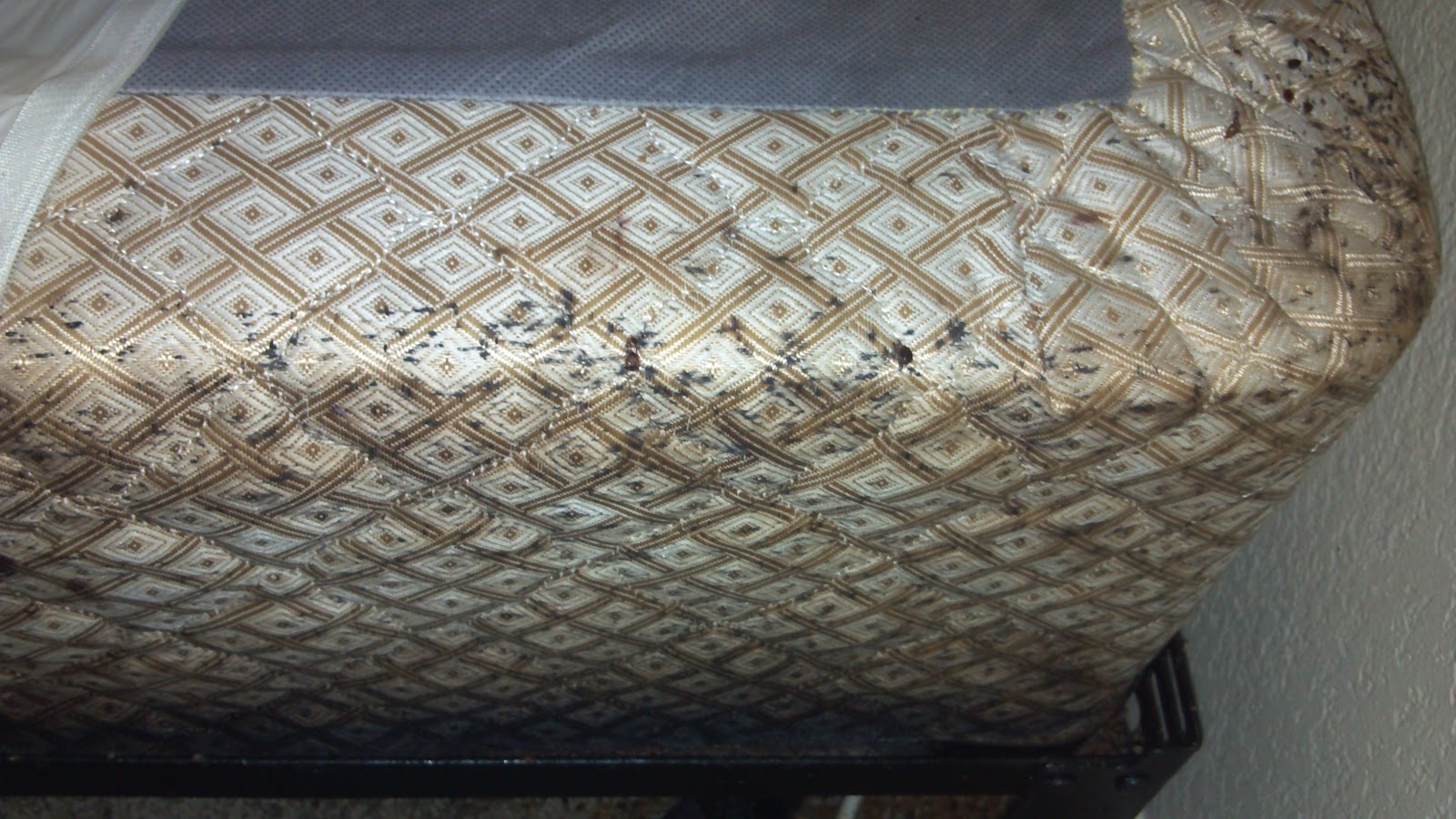
Bed bugs like to travel and are good hitchhikers. They will hide in suitcases, boxes and shoes to be near a food supply. They are elusive, nocturnal creatures. They can hide behind baseboards and in cracks, crevices, and folded areas of beds, bedding and adjacent furniture, especially mattresses and box springs. Bed bugs can also hide in electrical switchplates, picture frames, wallpaper and nearly anywhere inside a home, car, bus, or other shelter. Bed bugs usually come out at night for a blood meal. However, they are opportunistic insects and can take a blood meal during the day, especially in heavily-infested areas. Bed bugs usually require 5-10 minutes to engorge with blood. After feeding, they move to secluded places and hide for 5-10 days. During this time in the bed bug life cycle, they do not feed but instead digest their meal, mate, and lay eggs.


Habitat

So where do bed bugs live? Bed Bugs like to hide in small cracks and crevices close to a human environment. They can be found behind baseboards, wallpaper, upholstery, and in furniture crevices. Beg bugs are also known to survive in temporary or alternative habitats, such as backpacks and under the seats in cars, busses and trains.


Threats

Although bed bugs can dine on any warm-blooded animal, they primarily dine on humans. Bed bugs do not transmit diseases, but their bites can become red, itchy welts.

Monday, December 2, 2013

Bed Bugs!

Bed Bug Biology

Common Name: Bed bug
Scientific Family: Climex lectularius Linnaeus

Bed Bug Color

Unfed adults bed bugs are mahogany to rusty brown color. Engorged bed bugs are red-brown color after a blood meal. Nymphs (baby bed bugs) are nearly colorless when they first hatch and become brownish as they mature.

Count of Legs

Six legs

Bed Bug Shape

Unfed bed bugs are flat and broad-oval. Fed bed bugs become swollen and more elongated.

Bed Bug Size

Adult bed bugs can reach a size of about 1/4 inch long. Nymphs range from 1.3 mm to 4-5 mm.
Bed Bug Size: Early and Late Bed Bugs on Dime
Adult and nymph bed bugs

Bed Bug Life Cycle

Bed bug biology naturally promotes infestation. Female bed bugs lay one to five eggs per day, or an average of 540 eggs in a lifetime. They typically lay their eggs in cracks or rough surfaces. Bed bug nymphs grow to full adulthood in about 21 days and go through five stages of development before they reach maturity. A bed bug will molt once during each stage of development, though a blood meal is required for a molt. An adult bed bug can live for several months without a blood meal.
Bed Bug Biology & Color: Male & Female Bed Bugs & Eggs
Male and female bed bugs and bed bug eggs

Bed Bug Feeding

Bed bugs are attracted to the carbon dioxide emitted by their hosts. For this reason, they tend to feed at night on bare skin that is exposed while sleeping. However, they are opportunistic insects and will consume a blood meal during the day, especially in heavily-infested areas. Although bed bugs prefer to feed on humans, they will feed on other warm-blooded hosts as well.
Bed bugs usually require 5-10 minutes to engorge with blood. They feed by inserting two hollow, beak-like feeding tubes into their host. The first tube injects the bug's saliva, which contains anesthetics to numb the feeding area. The second tube draws blood. After feeding, they move to secluded places and hide for 5-10 days. During this time, they do not feed but instead digest their meal, mate and lay eggs.
Bed Bug Biology: Bed Bugs Feeding
Bed bugs feeding

Bed Bug Equipment Rentals

Save Money for the holidays with a bed bug equipment rental!

Thursday, June 28, 2012


Looks like something out of a horror film? This creature could be living in your bed, couches, carpet, baseboards, pets, local library, school, movie theater, or office space! Magnified in this picture, they are visible to the human eye.


Reminiscent to an apple seed, they stay close to their food source, feed on human blood, and reproduce very quickly. 


Heat is the only proven method in exterminating these pests, they hide very well, are hitchhikers and can spread very easily. 


If you are being bitten, visit our website at www.bedbugequipmentrentals.com or call 855.XTRMIN8 
we can help, "DON'T LET THE BEDBUGS BITE"!!


Tuesday, April 10, 2012

INCREASE IN BED BUG CASES!!

Based on the report from ABCNews.com, experts said that the record-breaking high temperatures of March could lead to several health problems. The rise of bed bug cases was also cited as one of the most likely effects of the unusually warm March weather.


According to the report, the increase of bed bug cases during the warm months is due to the shortened incubation period of bed bug eggs. Instead of seven to 14 days, the eggs hatch in just six to ten days in high temperature. 


*Make sure you inspect your hotel rooms, homes, and public areas such as movie theaters & libraries!!! Be careful when shopping at second hand stores, yard sales, etc. 

Thursday, April 5, 2012

Check out our NEW WEBSITE!!!

www.bedbugequipmentrentals.com

Check out our new website! Now you can schedule your appointment & package ONLINE!

www.bedbugequipmentrentals.com